
35+ Years of Experience

3k+ Real Patient Reviews
10,000+ Surgeries Performed
Texas Super Doctor
Face Lift in Houston
A facelift is one of the most effective ways to restore a vibrant appearance when signs of aging can no longer be addressed with nonsurgical treatments, but the quality of results depends on how well the procedure is planned and executed. Dr. Paul Vitenas is a board-certified plastic surgeon and fellowship-trained craniofacial specialist with over 35 years of experience. He approaches each facelift with precision and a deep respect for facial balance, helping patients from Houston and beyond look refreshed, confident and unmistakably like themselves.






Facelift Before & After Photos
Explore Dr. Vitenas’ before and after gallery to see what’s possible.
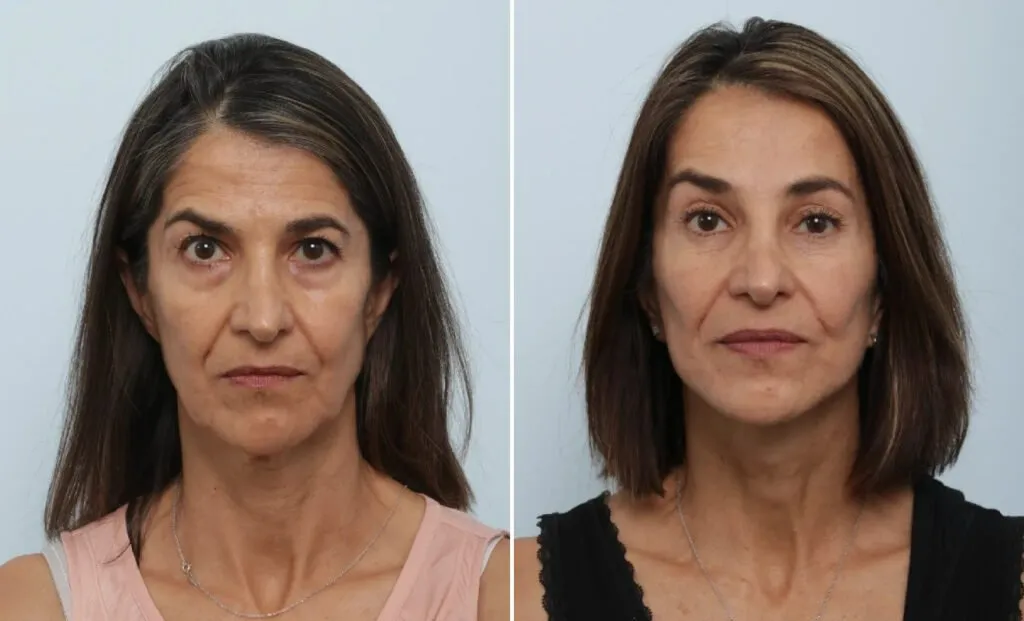
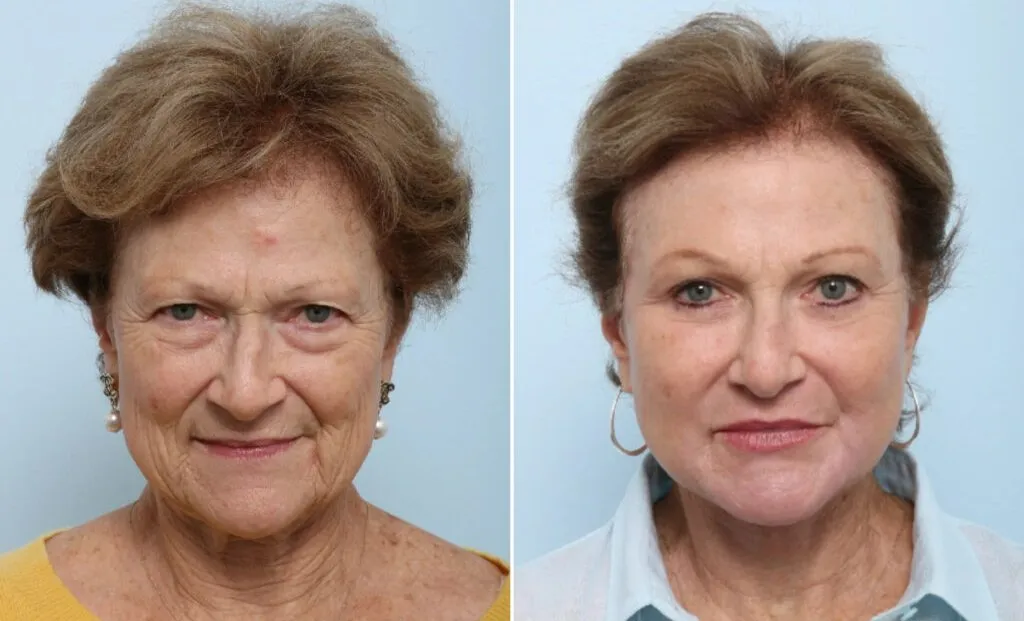
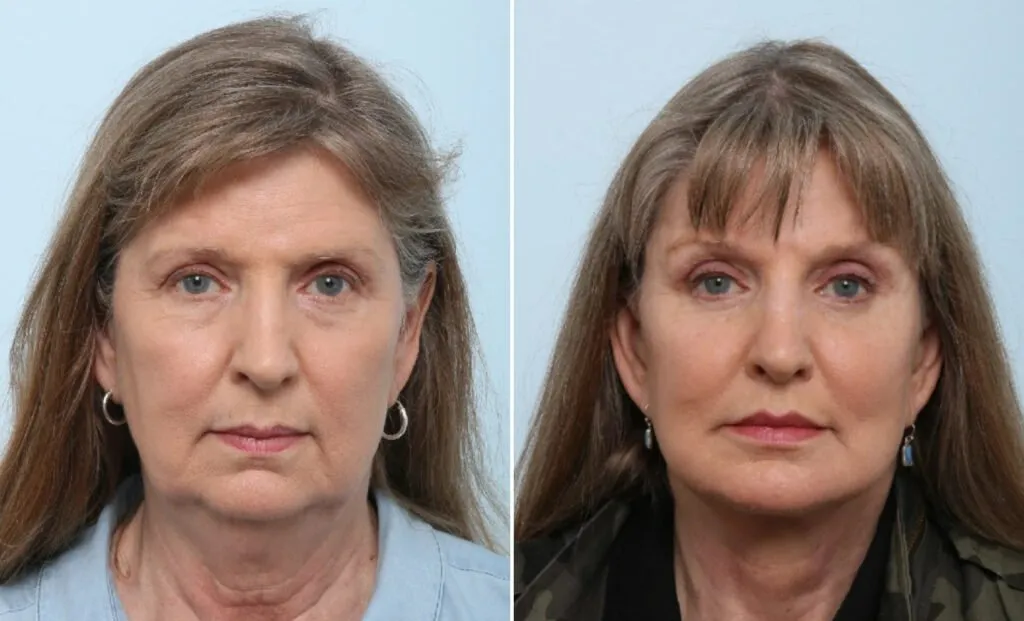
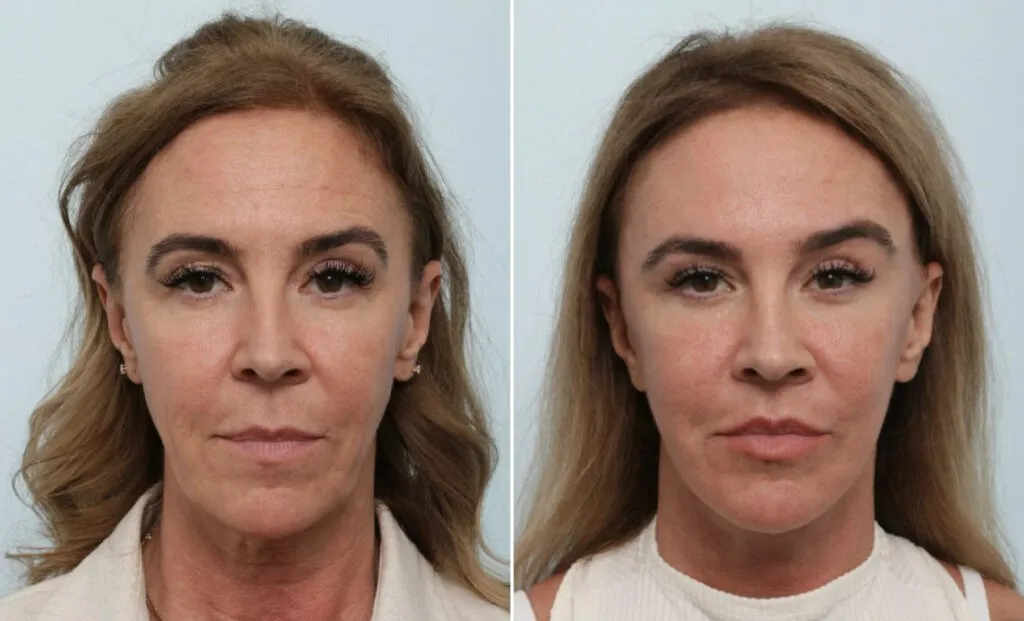
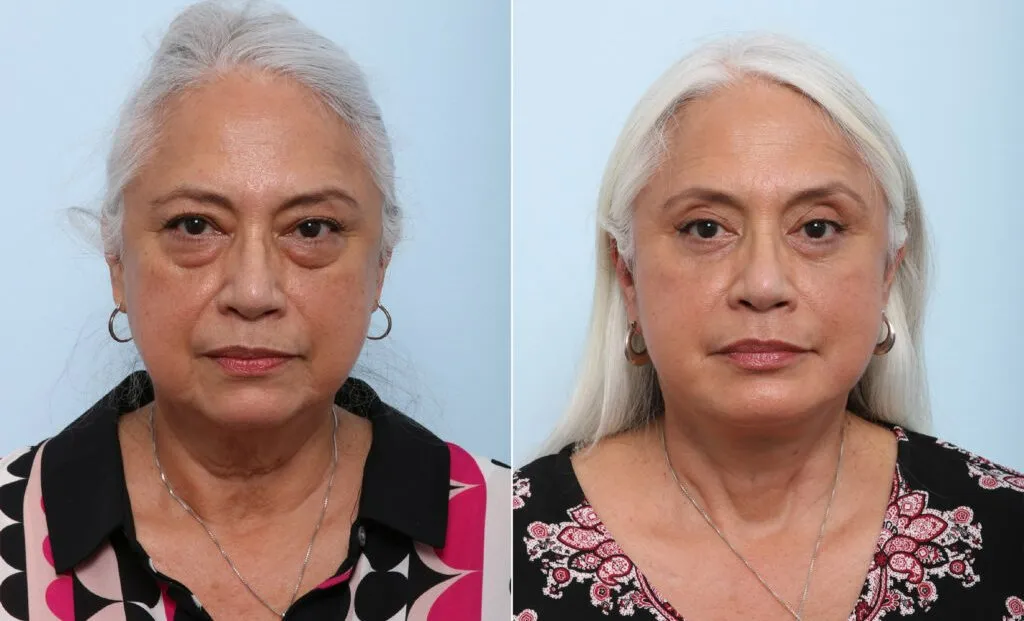
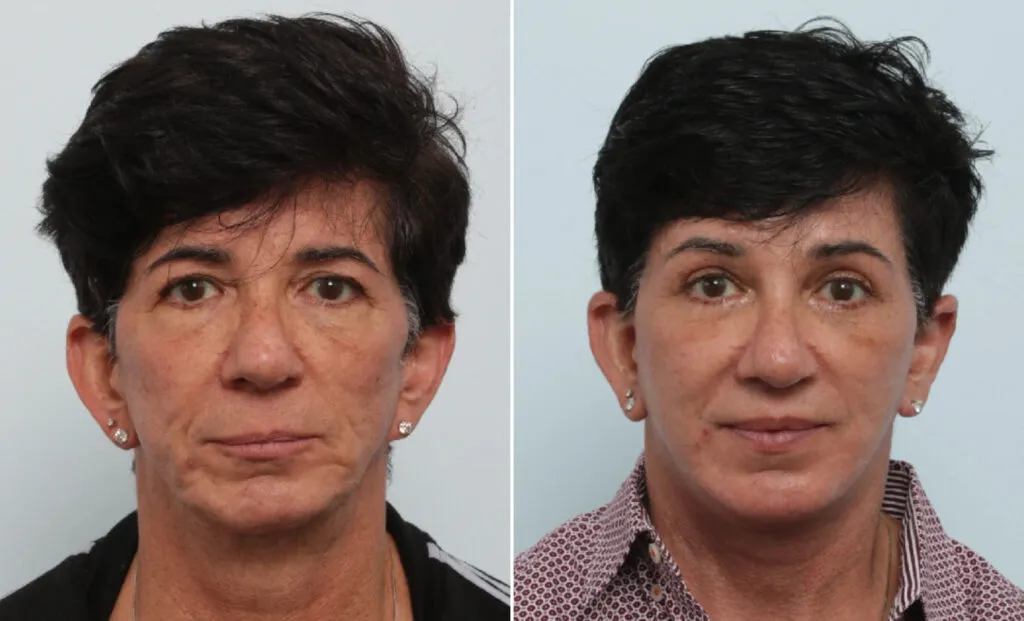
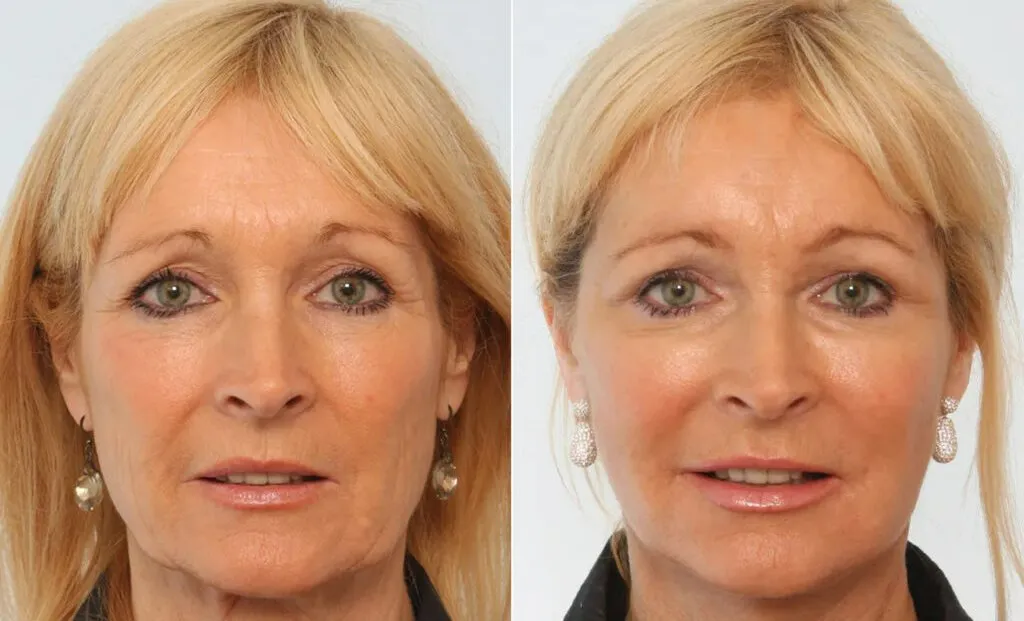
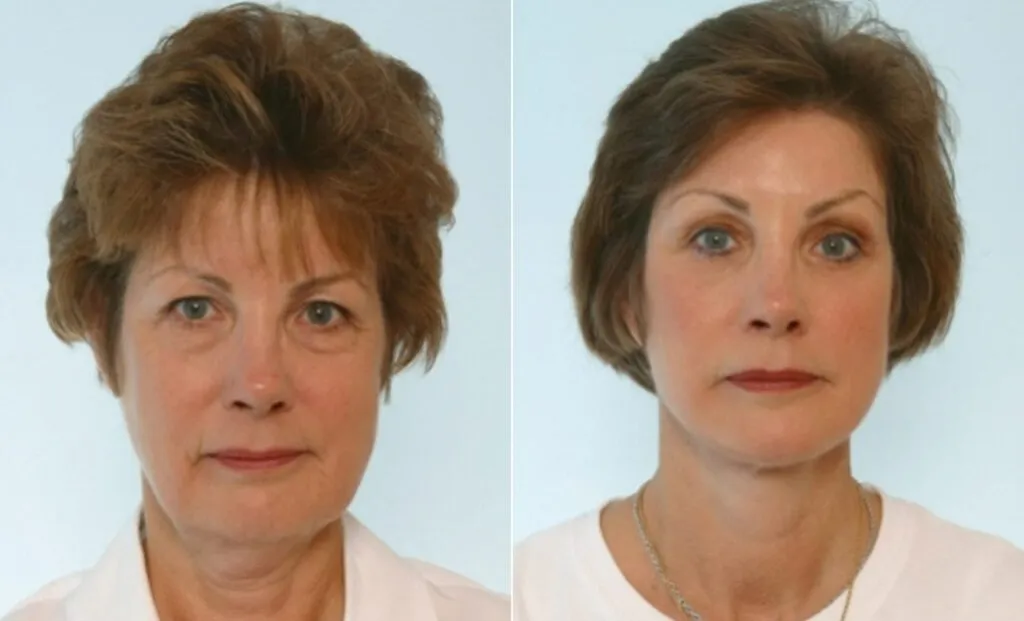
Each Patient is Unique and Individual Results May Vary
“I find it difficult to express in words how grateful I am. My decision to have a face and neck lift was fraught with fear, concern for complications, and a general personal assumption to not get my hopes up too much based on my own previous life experiences. Now I can actually look into the mirror, and when I do, I smile! I actually see ME again! I love the way I look now and don’t hide from taking pictures with friends anymore.
My facelift/neck lift was a life-changing, and in a sense, a life-saving experience with astounding results. Your facility is beyond compare. Your staff is friendly and professional every time we interact with them in person, online, or over the phone.
You Dr. Vitenas are a true artiste, you are the mere combination of highly trained and artified medical doctor and surgeon with the intuition, talent hands and eyes of a master sculptor. Your bedside manner is delightful – friendly, direct and honest. I will recommend you to anyone seeking to look or feel better in their own skin. I am forever grateful to you. You saw my tears of you, I weep with happiness writing this recommendation! I wish you, your faculty & staff all the BEST!”
“I don’t have the nerve to upload my pre and post op photos! Six months ago I had a “full” facelift. I just left Dr. Vitenas’s office today and I didn’t realize how BAD I looked before surgery. You don’t concentrate on your pre op photos and hope you look great when done. Dr. Vitenas said before surgery I could look 10, maybe 15 years younger and I thought sure, we will see. Well 6 months later, I do not look my age! I don’t look close to my age! We both thought I looked maybe 20 YEARS younger. I just showed my husband the pictures Dr. V sent me home with and he too said the difference is AMAZING. I am so glad I had this done. I used to look like a sad older women. Today I look so much different. Natural, happy and young. Thank you Dr. Vitenas!”
“I consider Dr. Paul Vitenas to be one of the most skilled plastic surgeons in the world. And I know a thing or two about plastic surgeons. I was born with cleft palate and cleft lip and had corrective plastic surgery as an infant. I never considered myself particularly attractive until Dr. Vitenas worked his magic upon my face. At the age of 59, I had an eye lift, a face lift, and a neck lift all under the watchful care and superb artistry of Dr. Vitenas. I now feel and look 20 years younger and feel attractive for the first time in my life. Thank you, Dr. Vitenas for your painstaking attention to detail in rejuvenating my face. Now I want to look in the mirror!“
Facelift Surgery in Houston: What You Need to Know
A facelift is a surgical procedure designed to reduce the most visible signs of facial aging. Also known as rhytidectomy, a facelift works by removing excess skin and tightening the underlying tissues to address sagging in the cheeks, jawline and nasolabial folds. Although a facelift cannot stop the natural aging process, results can turn back the clock 10 years and last for a decade or more, allowing you to enjoy a refreshed appearance that holds up beautifully over time.
Benefits of a Facelift With Dr. Vitenas
No two faces age the same way, which is why no two facelifts should be identical. Dr. Vitenas evaluates each patient’s anatomy, including skin quality, fat distribution and underlying bone structure, to develop a personalized surgical plan. Benefits of this approach include:
- Addressing Multiple Signs of Aging: Modern facelifts are designed to address some of the common signs of aging in a single procedure, including sagging, jowls, deep wrinkles and creases, nasolabial folds and a loss of jawline definition.
- Can Be Paired With Additional Procedures: A facelift pairs well with additional rejuvenation procedures for comprehensive results, including a neck lift, brow lift or eyelid surgery, depending on your unique needs.
- Hidden Scars: Incisions made during a facelift are virtually invisible once healed. While incision size and location depend on the technique used, most are placed behind the ears and along the hairline for easy concealment.
- Natural-Looking Results: Overly tight and “windswept” results are a thing of the past. Dr. Vitenas is known for delivering beautiful, natural-looking facelift results that complement and enhance your appearance, not drastically alter it.
- Improved Confidence: After a facelift, many patients report a boost in self-esteem, especially in social situations. When their appearance matches how they feel inside, they are more confident, energetic and comfortable in their own skin.
- Results That Last: A facelift won’t stop the natural aging process, but it does provide a new set point from which aging will continue. You will always look younger than you would without surgery, and many patients enjoy their results for 10+ years.
During your consultation, Dr. Vitenas will evaluate your needs and goals to recommend the approach best suited to your needs. He takes the time to explain what a facelift can realistically achieve so you can make an informed decision about whether the procedure is right for you.
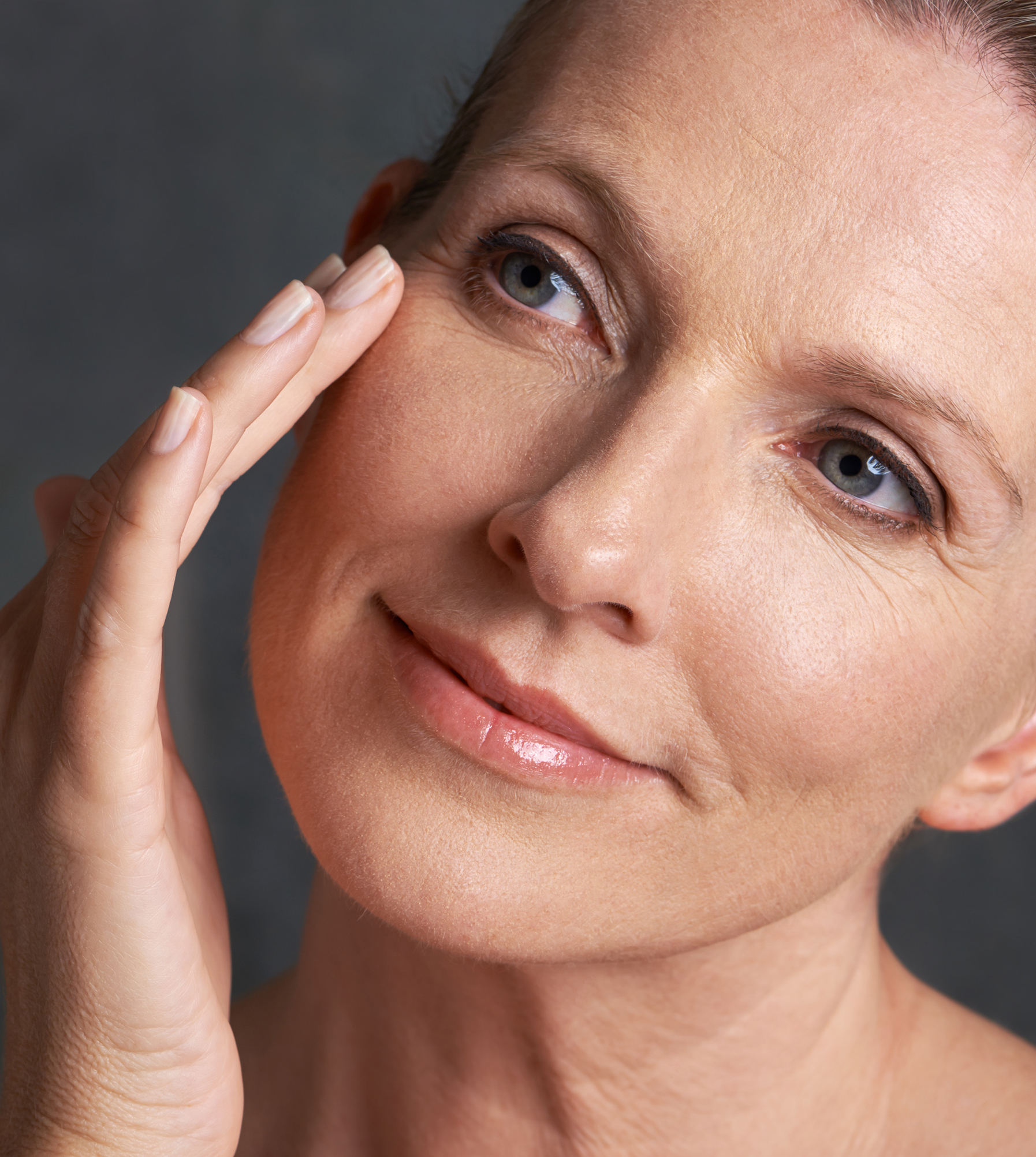
Am I a Candidate for a Facelift?
Ideal candidates for facelift surgery are men and women who have noticed visible changes in the lower two-thirds of their face and want to restore a more youthful, defined appearance. While most patients are between 45 and 65 years old, candidacy has more to do with anatomy than age. Dr. Vitenas evaluates factors like skin quality, underlying facial structures and the degree of volume loss to determine whether a facelift is the right choice for you.
You may be a good candidate for a facelift if you have:
- Jowls or sagging along the jawline
- Loose skin on the face or neck
- Deep creases between the nose and mouth (nasolabial folds)
- A loss of definition along the jawline
- Facial features that appear tired or downturned, even when you feel well-rested
Candidates should also be in good overall health, nonsmokers (or willing to quit before surgery) and have realistic expectations. During your consultation, Dr. Vitenas will review your medical history, examine your facial anatomy and help you understand whether a facelift, a less invasive option like a mini facelift, or a combination of procedures will best meet your goals.
Can I Get a Nonsurgical Facelift?
Nonsurgical treatments have become a popular choice for facial rejuvenation. Dermal fillers can replenish lost volume and radially expand the face, neurotoxins like Botox can smooth away expression lines, and facial fat grafting can restore youthful contours in the cheeks, under the eyes and in the nasolabial folds, along with improving skin texture and quality. These treatments can be strategically combined for a nonsurgical facelift, also called a liquid facelift, delivering noticeable results without incisions, anesthesia or downtime. While a traditional facelift is the gold standard in facial rejuvenation, a nonsurgical approach can help refresh your appearance and even delay the need for surgery. Some patients also consider early intervention with less invasive procedures like the micro facelift, which can be performed using local anesthesia and involves just a day or two of social downtime.
What Are My Facelift Options?
At Vitenas Cosmetic Surgery, we offer micro, mini, and full facelifts, each tailored to address specific areas of the face and varying degrees of aging. Our goal is to help you achieve a natural, youthful appearance that aligns with your aesthetic goals.
Micro Facelift
A micro facelift is a minimally invasive procedure designed to subtly lift the cheeks and the sides of the face without leaving visible scars. Small incisions are often made in the temporal hairline, and the skin is gently lifted to allow access to the SMAS layer, which is elevated and secured with stitches to the deep temporal fascia. The procedure takes around one hour, and patients can return to work the next day. Moreover, it is often performed under long-acting local anesthesia to ensure a painless experience. It is ideal for individuals in their late 30s and early 40s who are not yet ready for a full facelift but are just starting to show the signs of midface descent.
Mini Facelift (Ponytail Lift)
A mini facelift is a bit more invasive than a microlift, in that it requires actually lifting the SMAS layer of the face (as we do in a true deep plane facelift) to elevate and reposition it into a more rejuvenated position. This procedure can target the midface, lower face, jawline and jowls for more comprehensive rejuvenation. Incisions are made in the temporal hair, so there is no visible scar, and the procedure takes about two hours. Recovery is longer than a micro facelift, with most patients resuming normal activities in one to two weeks. The mini facelift or ponytail lift is an excellent procedure for patients in the late 30s to 40s who are starting to show laxity in the midface, jawline and jowls but who do not have a lot of excess skin in the face yet.
Neck Lift
A neck lift addresses significant signs of aging in the neck. It involves making incisions under the chin and around the back of the ears to remove excess tissue (fat, muscle, submandibular glands) and tighten the muscles of the neck and its sagging skin. The procedure improves the appearance of neck bands, contour fullness, jowls, and loose skin, restoring a youthful, refreshed look with a more defined jawline and cervicomental angle. A neck lift is often combined with a chin implant to correct structural imbalances in the face. It is ideal for individuals in their 40s and 50s who are seeking a smoother neck and jawline with no telltale signs of surgery. Recovery takes around two to three weeks.
Deep Plane Facelift
A deep plane facelift targets the deeper facial structures, namely the SMAS layer (superficial musculoaponeurotic system), which is the layer that is used to lift the face into a more youthful position, reversing the normal aging descent of the face. It is this layer that holds all the tension of the lift and is contiguous with the platysma muscle of the neck, allowing both to be repositioned for a natural and rejuvenated look. A deep plane facelift gives the most comprehensive and longest-lasting results of any of the facial rejuvenation procedures that are done.
Complementary Procedures
Many patients choose to combine their facelift with additional procedures for more comprehensive rejuvenation of the upper and lower face. A brow lift can elevate a heavy or drooping brow, while eyelid surgery (blepharoplasty) corrects hooded upper lids or puffy lower lids that contribute to a tired appearance. A lip lift shortens the distance between the nose and upper lip, which tends to lengthen with age, restoring a more youthful lip position, and fat transfer can be used to restore lost volume in the cheeks or temples. Dr. Vitenas will evaluate your face as a whole during your consultation and recommend any complementary procedures that could enhance your overall result and make your face look prettier. The goal of facial rejuvenation is not only to make you look younger but to make you look better than before.
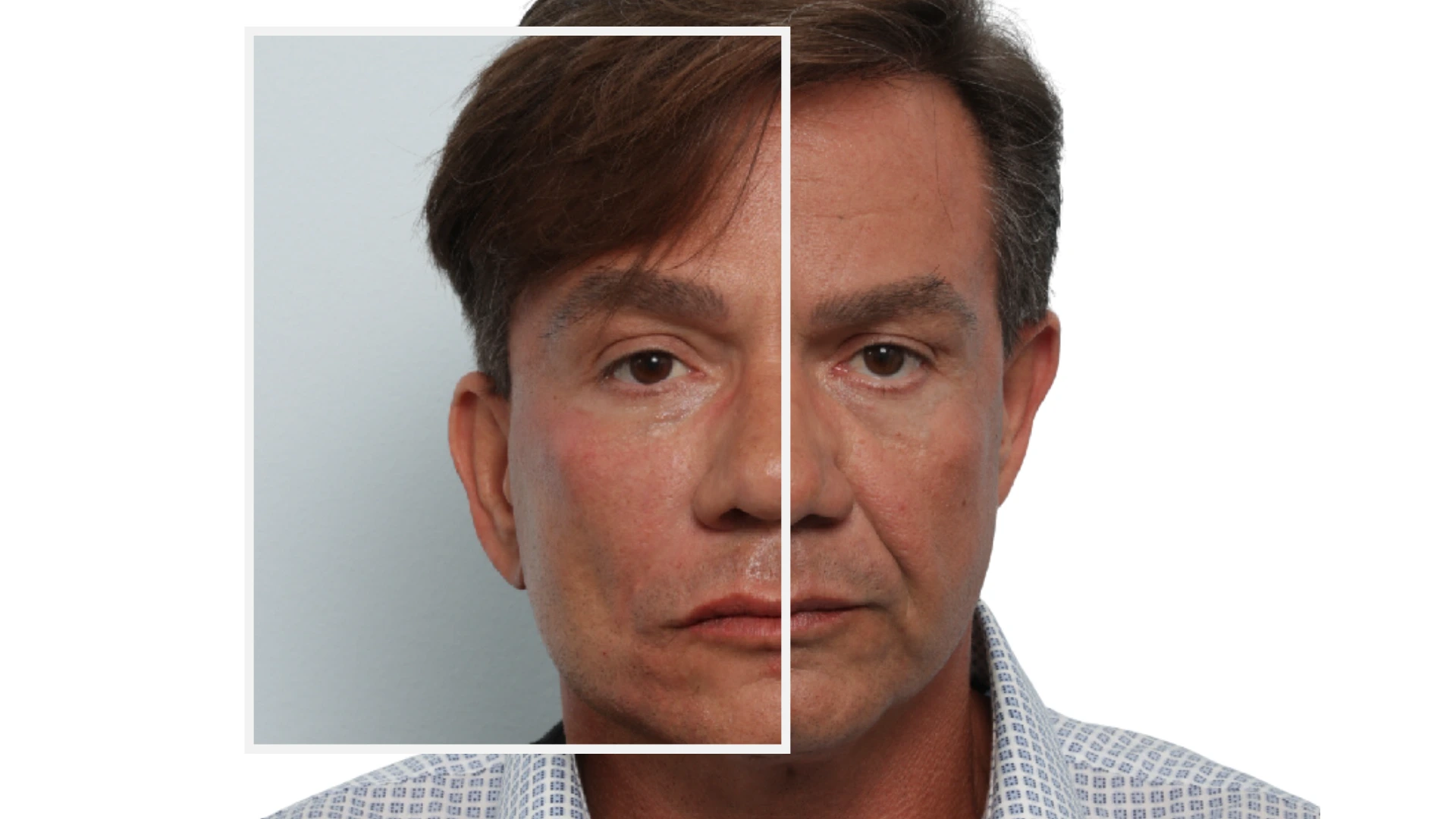
“At the age of 59, I had an eye lift, a face lift, and a neck lift all under the watchful care and superb artistry of Dr. Vitenas. I now feel and look 20 years younger and feel attractive for the first time in my life. Thank you, Dr. Vitenas for your painstaking attention to detail in rejuvenating my face. Now I want to look in the mirror!”
- Leah B.
The Dr. Vitenas Difference: What to Expect from Start to Finish
Your Consultation: Every Journey Starts Here
A facelift consultation with Dr. Vitenas is more thorough than what you might experience elsewhere. Because of his fellowship training in craniofacial and maxillofacial surgery, Dr. Vitenas evaluates the face differently than most cosmetic surgeons. He looks beyond the skin to assess the underlying bone structure, how the soft tissues have shifted over time and where volume has been lost. This allows him to identify exactly what’s contributing to the changes you see in the mirror and recommend a surgical plan that addresses them at the source, thereby creating a more youthful, refreshed and natural result.
Vitenas Cosmetic Surgery is located near River Oaks in Houston, within the 610 loop. Our facility houses everything under one roof, including our clinic, medspa, and AAAASF-accredited surgical center, so you’ll see the same team and receive the same standard of luxury care at every step of your journey, all made seamless by our wonderful and compassionate staff.
Pre-Op: How Should I Prepare for My Facelift?
In the weeks leading up to your facelift, Dr. Vitenas will provide specific instructions to help you prepare. If you use tobacco products, you’ll need to stop smoking or vaping at least four weeks before surgery, as nicotine significantly impairs blood flow and can compromise healing. Certain medications and supplements that increase bleeding risk, including aspirin, ibuprofen and vitamin E, should also be avoided.
Surgery Day: What Happens During Surgery?
Facelift surgery is performed at our on-site AAAASF-accredited surgical center under anesthesia by our board-certified anesthesiologist. The procedure typically takes four to six hours, depending on the technique used and whether any additional procedures are included. He takes the time necessary in the operating room to ensure beautiful, precise results you’ll love. Craftsmanship and artistry cannot be rushed, so Dr. Vitenas only performs one comprehensive facial rejuvenation a day.
Dr. Vitenas begins by making incisions that follow the natural contours of the face, starting within the hairline above the temples, continuing in front of the ear and ending behind the ear in the hairline. These incision lines are designed to be virtually invisible once healed.
Through these incisions, Dr. Vitenas accesses the SMAS layer, the deeper muscular and connective tissue structure beneath the skin and superficial layer of fat in the face. Rather than simply pulling the skin tighter, he repositions and secures these deeper tissues to restore youthful facial contours. This deep plane approach produces results that look natural and last significantly longer than skin-only techniques. Once the underlying structures are in their new position, any excess skin is trimmed, and the incisions are closed in layers with fine sutures under no tension, so scarring becomes almost imperceptible once healed. Long-acting local anesthesia is used throughout the procedure and again at the end to insure patients experience as little discomfort as possible.
After surgery, you’ll rest in our recovery area while the anesthesia wears off. Unlike most practices, Dr. Vitenas sends a trained caregiver home to look after you for the first 24 hours. This is included as part of your procedure at no additional cost. The caregiver will help you stay comfortable, monitor your recovery overnight and bring you back to the office the following day for your first post-op appointment. You’ll also have access to our 24/7 nursing line if any questions or concerns come up between visits.
Facelift Recovery Timeline
Recovery looks different for everyone. A patient in their 40s may experience minimal bruising that fades within a week, while someone in their 70s may bruise more extensively. Dr. Vitenas will give you a realistic timeline based on your age and the extent of your procedure. That said, most patients can expect to move through recovery in a predictable sequence.
- Day 1: You'll go home the same day as your surgery with a trained caregiver who will stay with you for the first 24 hours. This is included with every facelift Dr. Vitenas performs. Your caregiver will help you stay comfortable, assist with medications and monitor your recovery overnight. The following morning, they'll bring you back to the office for your first post-op visit. You can expect some swelling, tightness and bruising, along with some pressure or discomfort.
- Week 1: Swelling peaks around day three before gradually subsiding, while bruising takes 10 to 14 days to fade. During the first week of recovery, keep your head elevated as much as possible, even while sleeping, to decrease swelling and optimize healing and results.
- Week 2: Bruising and swelling noticeably decrease by week two, and you'll start to see glimpses of your final results. Many patients feel comfortable returning to desk work or low-key social activities at this point, though some prefer to wait a bit longer. Sutures are typically removed five to 10 days after your procedure.
- Weeks 3-6: You'll look noticeably refreshed, and friends or coworkers may comment that you seem well-rested. Light exercise like walking is usually permitted, but avoid anything too strenuous. By six weeks, most patients are cleared to resume all normal activities. Residual swelling, particularly along the jawline and under the chin, continues to diminish. Numbness or tightness near the incisions is normal and will gradually improve over the coming months.
- 3-6 Months: Your results will continue to refine as the deeper tissues settle into their new position and any remaining swelling resolves. Incision lines, already well-hidden along the hairline and natural creases of the ear, will soften and fade. Most patients see their final results somewhere between three and six months, though subtle improvements can continue for up to a year.
Throughout your recovery, you’ll have access to our 24/7 nurse line for any questions or concerns that may arise. Dr. Vitenas and his team will see you for regular follow-ups to monitor your healing and make sure everything is progressing as expected.

Why Choose Dr. Vitenas for Your Facelift?
Dr. Vitenas has the kind of experience that makes a real difference in your results. He is not only an award-winning, board-certified plastic surgeon, but also fellowship trained in craniofacial surgery, oral and maxillofacial surgery, and cosmetic surgery. He has worked side by side with some of the most influential figures in these specialties, including Dr. Paul Tessier, the “father of modern craniofacial surgery” and one of plastic surgery’s greatest innovators.
This rare breadth of training is no longer possible today. Dr. Vitenas didn’t just learn advanced facelift techniques. He trained with the surgeons who invented them. Combined with a deeper understanding of facial anatomy that considers both the soft tissues and the underlying bone structure, his approach to facial rejuvenation is highly sophisticated, delivering results that are more balanced, precise and natural-looking.
Through his career, Dr. Vitenas has performed thousands of facial surgeries, including facelifts, neck lifts and reconstructive procedures. Every facelift he plans benefits from the cumulative judgment of tens of thousands of surgical decisions made over a lifetime.
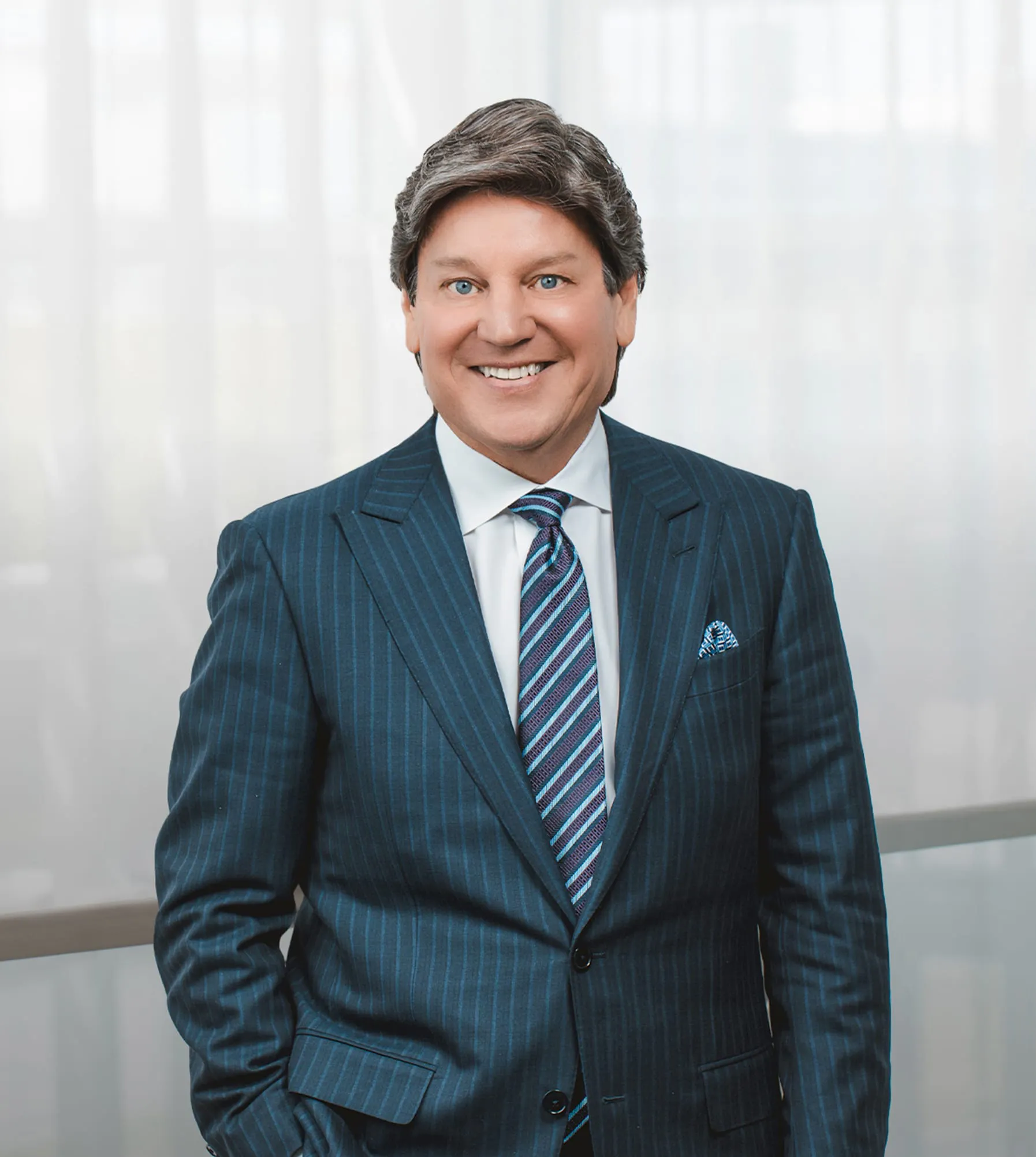
"Every surgeon operates in the sum total or his or her experience, and experience is not something you get from a book. It’s something you have to live".
- Dr. Vitenas
What’s the Difference Between a SMAS Facelift and a Deep Plane Facelift?
A SMAS facelift tightens the superficial muscular layer (SMAS) in a more vertical vector to improve sagging, while a deep plane facelift is a more advanced technique that comprehensively releases underlying retaining ligaments to mobilize and reposition the deeper tissues. A deep plane facelift achieves more natural lift that looks softer. These superior results are one reason why Dr. Vitenas recommends the deep plane facelift for most patients.
Deep Plane vs. SMAS Facelift
| Deep Plane Facelift | SMAS Facelift | |
|---|---|---|
| Technique | Dissects beneath the SMAS, lifting the skin, SMAS and deeper tissues (fat, ligaments) as one unit | Lifts and tightens the SMAS only, without fully releasing underlying ligaments |
| Results | Results typically last 10 years | Results typically last 10 years |
| Best For | More natural correction of aging | Moderate signs of aging |
| Cost | Higher due to increased complexity | Lower upfront cost |
Dr. Vitenas was voted the Best Facial Plastic Surgeon in Houston for 2022 by Modern Luxury Magazine!

Ready to Take the Next Step?
If you’re considering a facelift, choosing the right surgeon matters. With decades of experience and a thoughtful, individualized approach to facial rejuvenation, board-certified plastic surgeon Dr. Paul Vitenas works closely with each patient to create natural, beautiful and balanced results. To learn whether a facelift is right for you, schedule a private consultation at his Houston practice.
Houston FaceliftFAQs
How much does a facelift cost in Houston?
The overall cost of a facelift varies depending on the level of correction needed but typically begins at $26,000. This amount includes fees for the anesthesiologist, use of the surgical suite, the doctor's charges, and all subsequent care after the procedure. There are various facelift techniques, such as the microlift, mini facelift, and neck lift, each with its own price point. Additionally, some patients opt for additional procedures like brow lifts, eyelid surgery for upper or lower eyelids, lip shortening, chin implants, buccal fat removal and facial fat grafting to achieve a younger-looking appearance. Dr. Vitenas will provide an accurate cost for your specific facial rejuvenation plan during your consultation.
When can I sleep on my side after a facelift?
Sleeping upright, keeping your head elevated at a 30-45 degree angle, is recommended for the first seven to 10 days after surgery to minimize swelling. It also helps protect your incisions from straining or friction. Many patients use a wedge pillow or sleep in a reclining chair to make staying upright easier. Once the swelling subsides, you may sleep on your side.
How long should I wear a chin strap after a facelift?
Dr. Vitenas might provide you with a chin strap to be worn around the clock for the first week of facelift recovery to minimize swelling and support proper healing. The light compression helps prevent fluid buildup and allows the facial skin to re-drape smoothly. After that, he'll advise you to continue wearing it at night for up to an additional two to four weeks.
When will I see my facelift results?
You’ll get an initial glimpse of your results the first few days after surgery, but facelift recovery is an evolution which requires time to achieve. As swelling resolves over the first three months, you’ll get a better idea of your rejuvenated appearance. Full facelift results continue to develop for about 12 months as all swelling resolves and the tissues become fully settled in their new positions.
Where are the facelift incisions made?
To perform a surgical facelift, Dr. Vitenas makes small incisions that allow him to reposition and tighten underlying tissues. Facelift incisions usually start inside the hairline and above the temples, continuing within the natural crease in front of the ear and ending within the hairline behind the earlobe. As the incisions heal, they are very difficult to detect. Following all aftercare instructions, including guidelines on sun exposure, helps minimize any visible scarring.
How long does a facelift last?
The longevity of a facelift depends on the type of procedure, skin type, age, lifestyle, and overall health of the individual patient. It is also important to note that the procedure doesn’t stop the aging process. It only turns back the clock, making you look younger and more refreshed.
On average, a micro facelift lasts around four to five years, a mini facelift lasts around five to 10 years, and a full facelift can last 10 to 15 years. You can enhance the longevity of a facelift with additional procedures like Botox, dermal fillers, medical-grade skin care and lasers. These treatments target fine lines, wrinkles, and volume loss, complementing the results of your facelift.
What are the risks associated with a facelift?
Facelifts are generally considered safe when performed by an experienced, board-certified plastic surgeon like Dr. Vitenas, but like any surgical procedure, they do carry some risks. Some of the potential risks and complications may include:
- Facial nerve injury
- Unfavorable scarring
- Poor healing
- Infection
- Hematoma
- Fluid accumulation
- Unsatisfactory results
- Hair loss at incision sites
- Infection
Choosing a qualified plastic surgeon, following all aftercare instructions and abstaining from smoking or vaping can help reduce these risks. During your consultation, Dr. Vitenas will review all risks and potential side effects of facelift surgery to help you make an informed decision.
Are facelifts good for “Ozempic face?”
Yes, a facelift can help restore youthful contours following significant or rapid weight loss. GLP-1s have helped countless people achieve their weight loss goals, but losing weight quickly can cause fat loss in the face, causing the skin and tissues to sag. Often referred to as “Ozempic face,” the loss of facial fat can cause you to look older than you feel. A facelift tightens the skin and underlying muscles to bring back definition and may be combined with facial fat grafting to restore natural fullness in the cheeks or temples.